

DIY spa bathroom projects let you create a calming, high-end retreat in your own home—without overspending or getting trapped in a months-long renovation. This guide delivers no-nonsense, wellness-driven upgrades that balance impact, cost, and peace of mind—especially if you’re focused on resale value and easy maintenance.
Key Takeaways
- Well-planned DIY spa bathroom transformations can deliver high ROI and a true wellness upgrade for $2,000–$10,000; pro jobs start at $7,500.
- Focus DIY energy on cosmetic boosts—tile, paint, bamboo accessories, switching fixtures—and hire licensed pros for plumbing, electrical, and steam.
- Hidden costs, mildew, and bamboo warping are real pitfalls. Smart choices, targeted pro help, and maintenance planning keep your ROI and sanity intact.
- DIY Spa Bathroom: What Matters and Why
- Step-by-Step Guide: High Impact, Low Risk DIY Spa Bathroom Upgrades
- Advanced Analysis & Common Pitfalls
- Conclusion: Should You Start Your DIY Spa Bathroom?
- FAQs About DIY Spa Bathrooms
DIY Spa Bathroom: What Matters and Why
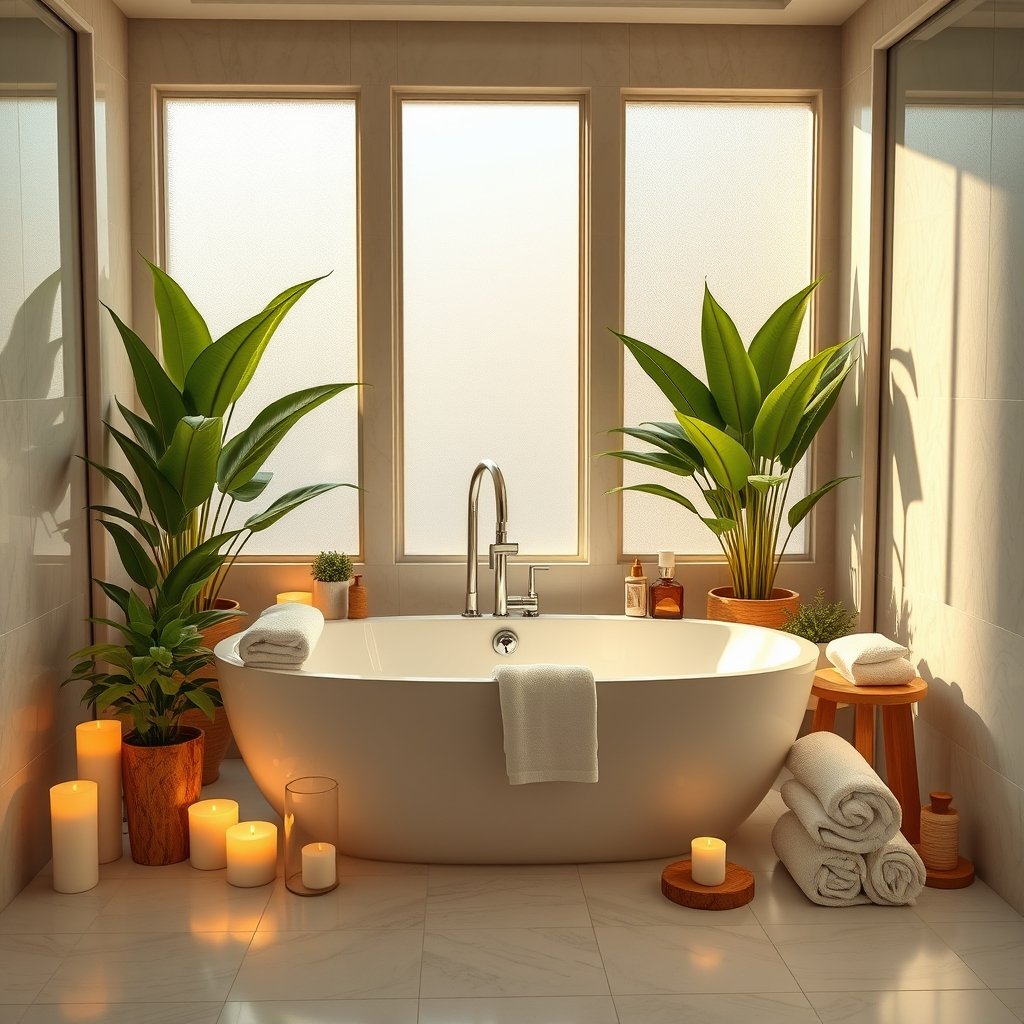
A successful wellness bathroom renovation is not about splurging on every luxury feature. It’s about making smart, pragmatic choices—upgrades that soothe your nerves, fit your budget, and boost your home’s value. Focus on visible, sensory improvements with minimal risk: think warm tile underfoot, a rain shower head, and calming bamboo bathroom accessories. Save the complex, code-driven jobs (steam showers, electrical, or new plumbing lines) for licensed professionals. This approach prevents expensive problems and maintains ROI if you plan to sell.
Step-by-Step Guide: High Impact, Low Risk DIY Spa Bathroom Upgrades
Ready to tackle your own spa bathroom ideas? Here is how to structure a realistic, cost-effective plan over about 8 weeks, so you end up with a functional, calming rain shower bathroom that keeps both your wellness and your wallet happy.
- Budget & Plan: Decide whether your goal is a $2,500 minor refresh or a midrange $7,500–$18,500 makeover. Create a spreadsheet with material costs (paint, lighting, bamboo bathroom accessories, new shower head, tile) and note which tasks require pro help (new electrical circuits, major plumbing, steam systems).
- Prep & Demo: Demo old hardware, patch walls and ensure waterproofing. If you’re not moving plumbing, you usually avoid permits—if you are, get bids from licensed pros early. Labor runs $45–$200 per hour, so use time and funds strategically (source).
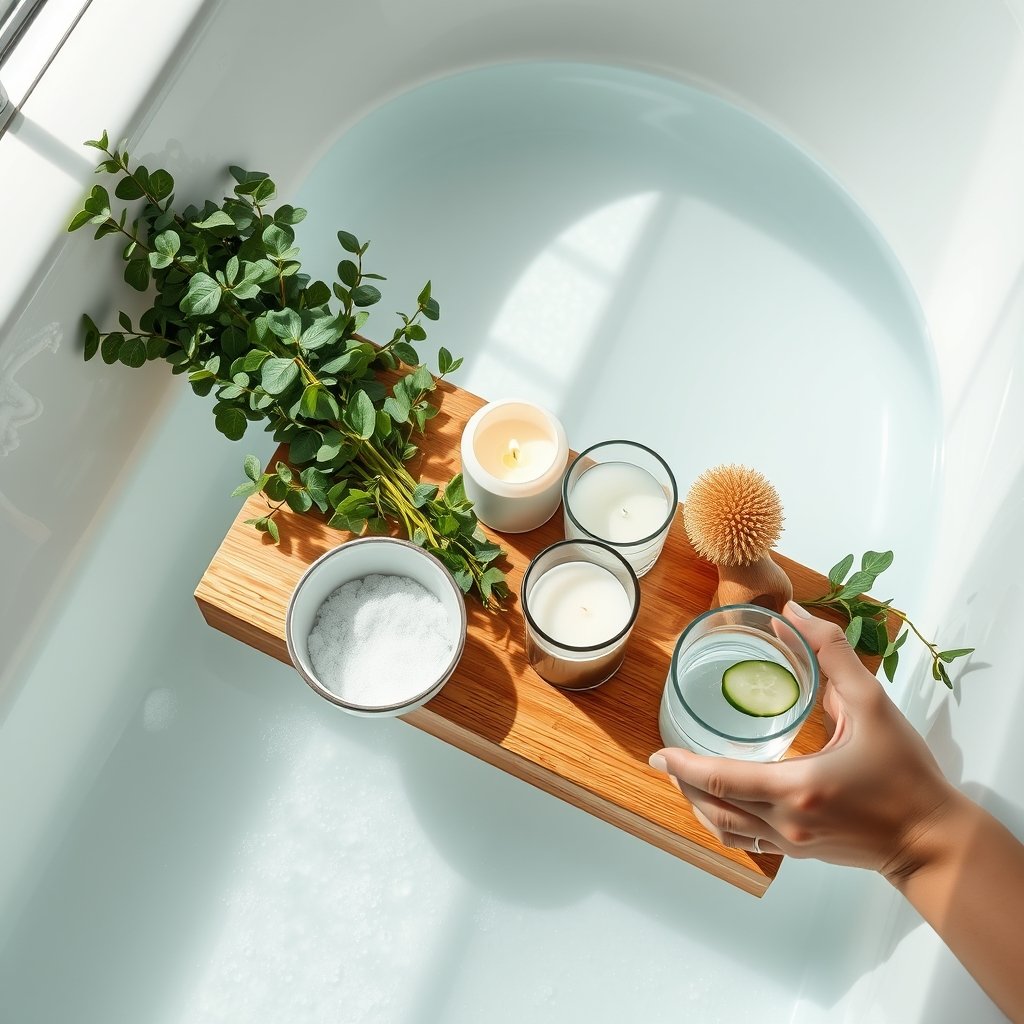
- DIY Cosmetic Upgrades: Tiling floors or feature walls, painting with mildew-resistant paints, updating lighting for a calming vibe, and installing niche shelves or eco-friendly fixtures pay off immediately. Bamboo shelving and mats upgrade the wellness feel, but always seal or finish them to prevent water damage (see examples).
- Rain Shower Head & Accessories: Swap your old shower head for a wide rain-style model. Choose thermostatic valves and ensure your shower floor is sloped toward the drain to avoid water pooling—a common rain shower bathroom issue.
- Zoned Heated Floors (Advanced): Want a high-end vibe without a full gut? Consider mat-based heated flooring kits with DIY-friendly installation (for the mat and tile), then hire an electrician to make the final connections to a programmable thermostat.
- Ventilation & Maintenance: Upgrade or add a bath fan with 80–110 CFM for most spaces. This helps preserve calming bathroom decor and minimizes mildew and bamboo warping.
-
Pro-Upgrade Ideas Worth the Money:
- Zoned, programmable heated flooring (expect $400–$2,500 in materials plus electrician fees).
- Integrated steam shower/essential oil system (for safety, always hire pros for steam plumbing and wiring; simple aroma diffusers are DIY—built-ins are not).
- Meditation nook: add a waterproof floating bench or padded mat, low-voltage adjustable LED lighting, and a compact Bluetooth sound system.
For inspiration on micro renovations that pay off big at resale, see the micro renovations value guide.
Budget breakdowns from multiple sources show most minor remodels land at $2,500–$10,000; midrange spa bathroom ideas and wellness upgrades often cost $7,500–$18,500; luxury overhauls shoot quickly past $25,000 (details).
Advanced Analysis & Common Pitfalls
Even skilled DIYers run into trouble when crossing the line between cosmetic and “infrastructure” upgrades in a spa bathroom. Here’s an honest look at where things often go wrong.
| Upgrade | DIY? (Low/Med/High Risk) | Common Pitfalls | ROI Impact |
|---|---|---|---|
| Rain shower head install | Low | Improper slope, water pooling, high flow rate boosts water bills | Medium-High |
| Bamboo shelves/mats | Low | Warping/mildew if unsealed, accidental moisture trap | High (if low maintenance) |
| Walk-in shower conversion | Medium-High | Poor pan slope, leaks, code issues | Medium |
| Heated floors/steam features | High (DIY not advised except mats) | Electrical shock/fire, ROI drop if overbuilt for area | Medium (high satisfaction, lower resale in some regions) |
| Lighting/ventilation | Medium | Inadequate CFM, permit required for new circuits | High (if done right) |
Biggest DIY Headaches (and Fixes):
- bamboo bathroom accessories: Warping, staining, and mold in high-moisture environments are common. Always buy sealed, high-grade bamboo; re-seal annually and place away from direct water spray.
- Rain shower bathroom issues: Floor slope and drain size matter. A flat or undersized drain can lead to standing water and moisture damage.
- Calming bathroom decor: Organic textures trap humidity—ventilate with fan timers and use mildew-resistant grout for easy cleaning.
- Permits/pro work: If you move the toilet, shower, or add electrical circuits, always get a permit and hire a licensed contractor. Labor is expensive, but repairs for bad jobs cost more (details on hidden costs).
For specific advice on sustainable, durable upgrades in other rooms, check the curved sofa size guide for tips on moisture-resistant furnishings and the color drenching strategy for harmonious, calming palettes throughout your home.
Conclusion: Should You Start Your DIY Spa Bathroom?
With the right focus, your DIY spa bathroom can offer a wellness sanctuary and real resale power. Emphasize what is simple, impactful, and easy to maintain—paint, tile, rain shower heads, bamboo accents—and always bring in pros for code-dependent upgrades and anything requiring permits. Your future self (and next buyer) will thank you.
Ready to start your DIY spa bathroom? Download your planning template, check your budget, and start with one upgrade at a time. For more proven strategies to boost value throughout your home, see our guide on creating a micro meadow lawn or explore how to integrate modular furniture for small spaces. Your new oasis can be both practical and life-changing—just make a smart plan, know when to call the pros, and enjoy the wellness upgrade for years to come.
FAQs About DIY Spa Bathrooms
How much does a DIY spa bathroom remodel really cost?
Material-only costs for a basic refresh start at $2,000–$10,000. Professional midrange renovations typically run $7,500–$18,500; high-end spa bathrooms can exceed $25,000 (see source).
What spa bathroom ideas offer the best ROI?
Cosmetic upgrades—paint, tile, lighting, rain shower head, bamboo bathroom accessories—and efficient ventilation offer the strongest ROI. Upscale features like built-in steam or heated floors may boost personal satisfaction but lower resale ROI.
Do bamboo bathroom accessories last in humid bathrooms?
Bamboo is naturally appealing and eco-friendly, but it can warp or mold if not sealed and ventilated correctly. Buy high-grade sealed bamboo, keep it away from water spray, and re-seal annually.
Can I install a rain shower head myself?
Yes, swapping a standard shower head for a rain shower is a typical DIY job. Ensure the plumbing can handle the flow rate and update the shower floor’s slope and drain if needed to prevent pooling.
Should I DIY heated flooring or steam systems?
Some electric heated floor kits are designed for DIY, but final wiring should always be done by a licensed electrician. Steam systems and complex electrical or plumbing jobs should never be DIYed—always hire professionals and get any needed permits.