

Micro meadow lawn solutions are transforming ordinary yards into living habitats that double or triple pollinator numbers, cut water bills in half, and save homeowners serious time—without the hassle or expense many expect. Here’s how a 1,000-sq-ft micro meadow lawn quickly pays back its modest upfront investment with biodiversity, resource savings, and striking curb appeal from year one.
Key Takeaways
- A 1,000-sq-ft micro meadow lawn boosts bee abundance 2-3x and plant species richness by 1.5-2x compared to regular turf—while reducing irrigation 30-50% and chemical use up to 90%.
- Total first-year cost ranges from $1,100 to $2,000, with annual upkeep typically less than $100—much lower than many realize—and labor falls by 9-14 hours yearly.
- Real success depends on a multi-year management plan: smart site prep, choosing the right native mixes, late-season overseed, and a staggered mow regimen eliminate weeds and brown patches.
- What is a micro meadow lawn (and how it differs from ornamental wildflower patches)
- Step-by-step micro meadow lawn installation guide
- Advanced analysis and common micro meadow lawn pitfalls
- Conclusion
- FAQ
What is a micro meadow lawn (and how it differs from ornamental wildflower patches)
A micro meadow lawn is a 1,000-sq-ft or similar-sized yard section planted with a curated mix of regionally native wildflowers (forbs) and native grasses. Unlike ornamental wildflower patches, which are often short-lived, high-input, and focus mainly on showy blooms, a true micro meadow lawn is planned for continuous color, structure, and ecosystem function throughout the growing season. It’s much more than “letting the grass go wild.” The goal: a low maintenance wildflower lawn that supports pollinators, cuts mowing, and slashes chemical and water use—all while delivering a visually appealing, textured mini meadow garden.
Expect a tapestry look: upright and mounding grasses (like little bluestem) combine with native wildflowers that bloom from spring through late fall. Instead of carpet-like, uniform turf, your landscape features varying heights and textures that attract bees, butterflies, and songbirds.
Installation can be done by direct seeding (cheaper, longer to establish, best for large areas) or with plant plugs (faster results, higher upfront cost, ideal for focal beds). Choose plugs if you want instant structure or are working in challenging sites (heavy shade, slopes). For large blocks in sun, a well-matched regional seed mix is usually the best value.
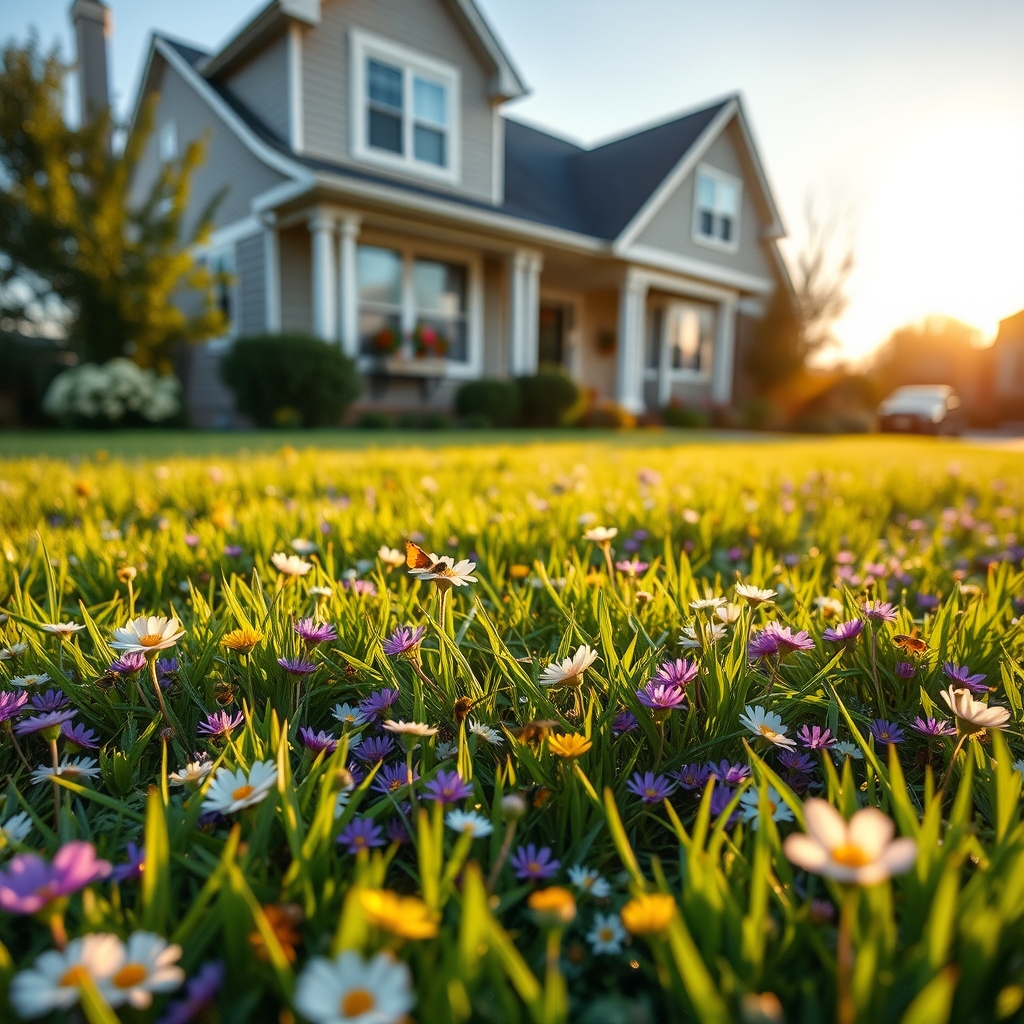
Independent research found that a 1,000-sq-ft micro-meadow typically delivers a 2 to 3-fold increase in bee abundance and a 1.5 to 2-fold boost in plant species richness compared with mowed turf, while often appearing more attractive and less “messy” than unplanned rewilding. (source)
Step-by-step micro meadow lawn installation guide
Creating a mini meadow garden isn’t as daunting as it seems, especially on a 1,000-sq-ft scale. Here’s a proven timeline and practical breakdown:
- Site Assessment and Prep (Month 0-1): Test for sun/shade, drainage, and existing weeds. Remove the old turf—smother with a tarp, solarize, or herbicide (critical for weed-heavy sites). Expect to spend $0.30-$0.50 per sq ft here.
- Select the Right Regional Seed/Plug Mix (Month 1): Choose a supplier that specializes in your local ecoregion. Rely on native grass landscaping mixes built for your zip code—options range from $0.50-$1.00 per sq ft for seed; plugs run higher.
- Sowing or Planting (Month 2): Broadcast seed over prepped soil, then lightly rake or roll to ensure good contact. If planting plugs, space them 12-18 inches apart. Water lightly after planting.
- Early Watering (Months 2-4): Keep the area moist (not waterlogged) during germination—typically 1-2 waterings a week for the first two months, tapering off afterward, especially once roots develop. Consider a Early Watering solution for maximum efficiency.
- Weed Control and Mowing (Months 2-12): The most important step for success. In year one, mow or string trim to 4-6 inches any time growth reaches 10 inches (usually 2-3 times in the first growing season). This prevents annual weeds from seeding and helps native plants establish.
- Ongoing Maintenance: Spot-weed invasive plants monthly; overseed bare areas at the end of Year 1 for denser coverage. From year two on, mow high once in late winter or early spring to clear out previous season’s growth.
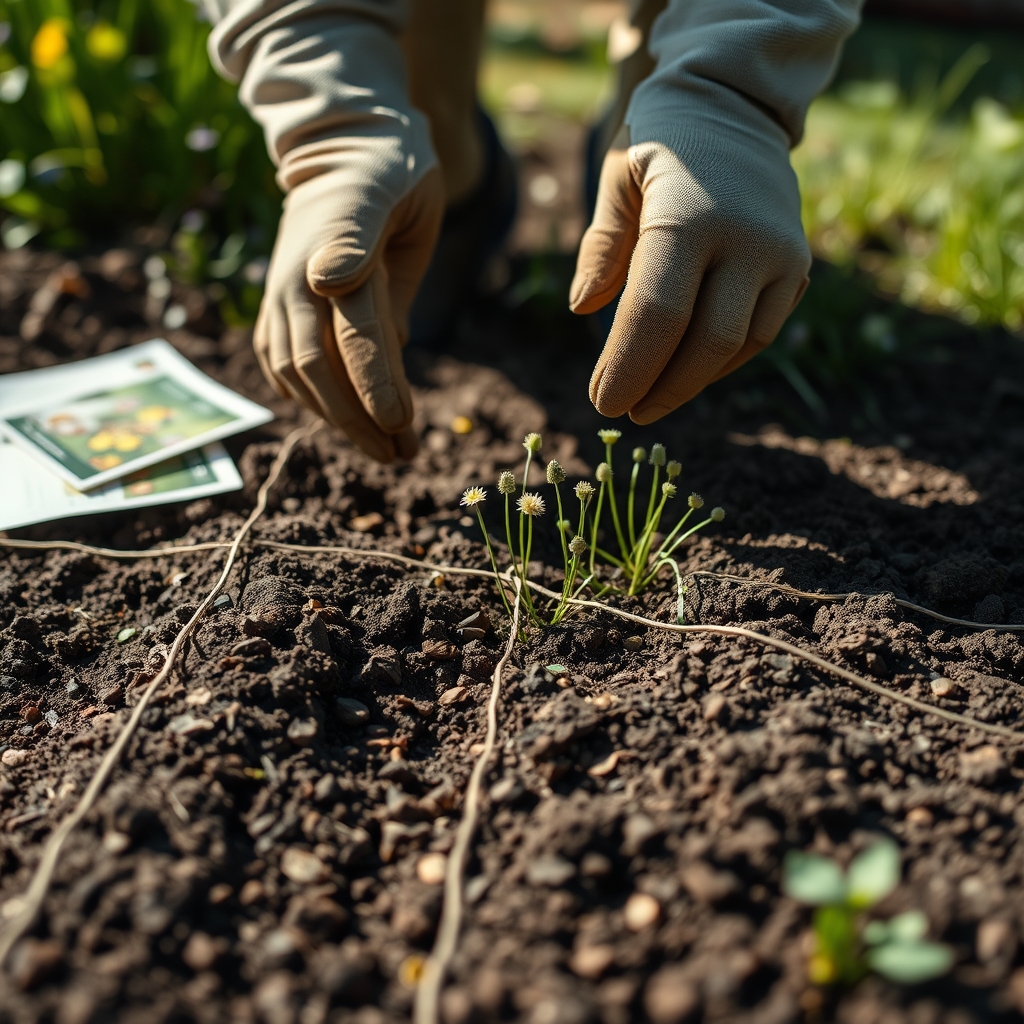
Timeline Overview for 1,000 sq ft (Months 0–24):
- Site prep: Most work occurs in month 1, 6–8 hours total using basic hand tools.
- Sowing/planting: 2–4 hours for an average DIYer.
- Year-1 mowing: 2–3 times, 1 hour each.
- Year-2 mowing: Drop to one annual trim (1 hour), possibly with spot-weed checks monthly.
Labor: This drops from roughly 10–15 hours per year for standard turf mowing to just 1–2 hours annually after establishment—saving you over 9 hours every year. (see study)
Ongoing Resource Savings (after Year 2):
- Water use down by 30–50% (saving 45,000–70,000 gallons per year over traditional turf)
- Chemical use (fertilizer, herbicide, pesticide) reduced by 80–90%
Advanced analysis and common micro meadow lawn pitfalls
While most homeowners find the transition worth it, skipping key steps or relying on “wildflower can” kits often leads to problems. Here’s what to expect, costs across regions, plus direct fixes for the most common issues:
| Category | Turf Lawn (1,000 sq ft/yr) | Micro Meadow Lawn (1,000 sq ft/yr) | Cost/Time Difference |
|---|---|---|---|
| Bee Abundance | Baseline (1x) | 2-3x | Major gain |
| Plant Diversity | Low (6-8 species) | 12-16+ species | 2x more types |
| Water Use | 90,000–140,000 gal | 45,000–70,000 gal | 30–50% saved |
| Chemical Inputs | Standard (100%) | 10–20% (80–90% cut) | Costs/plume drops |
| Mowing | 20–30 times (10–15 hr) | 2–3 first year, then 1 (1–2 hr) | Save 9–14 hr/yr |
| Year-1 Cost | $900–$2,500 | $1,100–$2,000 | Payback after Year 2 |
| Annual Maintenance Cost | $300–$700 | $50–$100 | Ongoing savings |
Top Homeowner Problems & Proven Solutions
- Pitfall: Weed breakthroughs (“messy” look, thistles/grasses quickly invade).
Fix: Rigorous site prep and 2–3 mowings the first year. Add a late-season overseed with slow-germinating native forbs and use a staggered mowing regime from year two on. For persistent invasives, spot spray using an accurate ID guide—see the downloadable checklist below for help. - Pitfall: Brown “dead” appearance in midsummer.
Fix: Mix warm- and cool-season native grasses; plan for staggered species so something is always in bloom. Cut back in early summer and late summer to promote regrowth and bloom. (find more) - Pitfall: Gaps/patchy establishment year one.
Fix: Overseed at the end of the season and water lightly for two weeks. Use annuals for quick cover while perennials fill in. Small gaps are normal in year one but close up by year two if you follow maintenance steps. - Pitfall: HOA objections or city complaints (“weed patch”).
Fix: Use edging, mown borders, and clear signage—refer to HOA messaging templates in the resources. A dense, managed mini meadow garden with regular trims looks intentional and avoids most complaints.
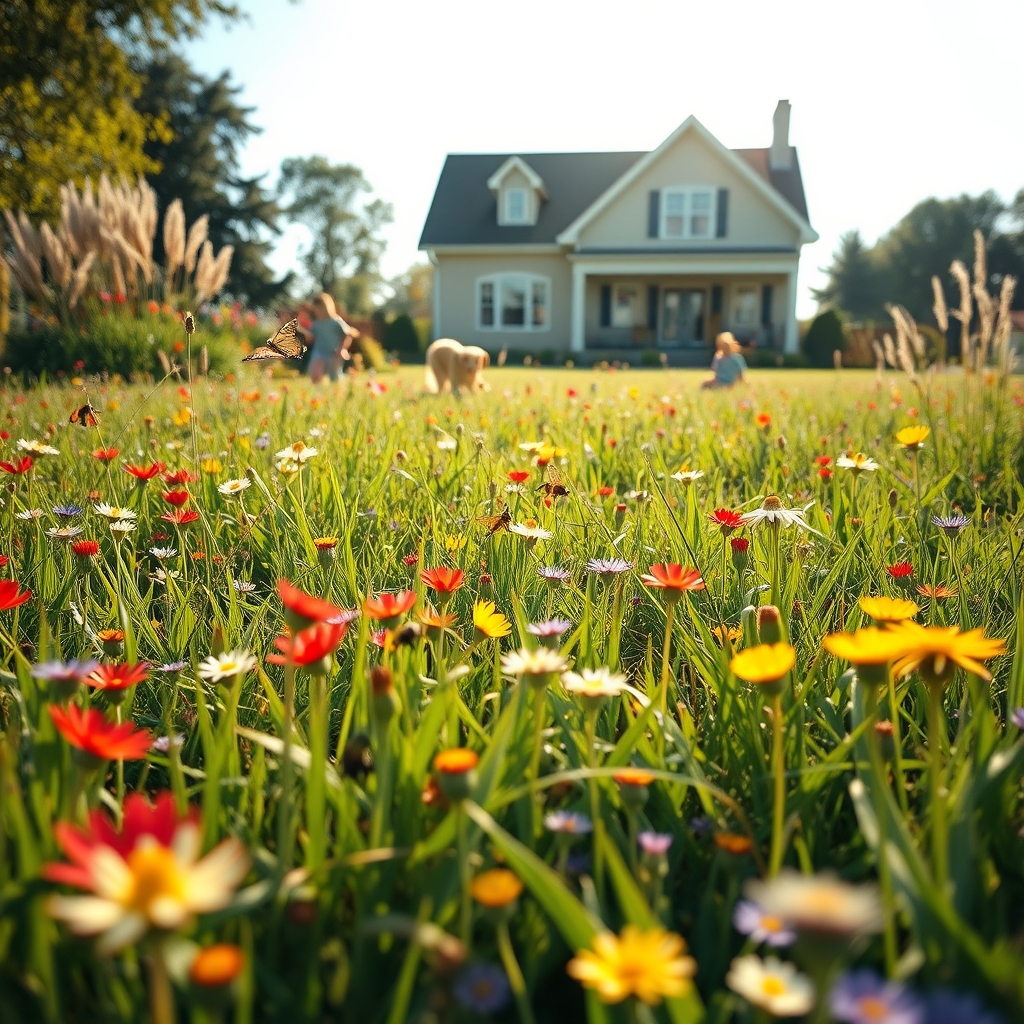
Regional cost snapshot for 1,000 sq ft:
- Site prep: $300–$500
- Seed/plug mix: West ($800–$1,200), Midwest ($550–$850), Northeast ($600–$950)
- Year-1 labor: $200–$300; Year-2: $100–$200; annual upkeep after $50–$100
- First-year outlay: $1,100–$2,000
Homeowners in the West face more drought and can maximize water savings with native species built for dryness. Northeast sites should focus on spring and fall establishment. In the Midwest, choose seed mixes matched to your soil and climate—most regions offer plug alternatives if rapid impact is needed. For exact year-to-year costs and labor, most will spend less after Year 1 than they did on their old turf.
Want to go next-level? Save even more effort with a robotic lawn mower for your remaining turf patches, or look into micro renovations that boost curb appeal alongside your new yard.
Conclusion
Converting 1,000 sq ft to a micro meadow lawn is one of the lowest-effort, highest-impact eco friendly lawn alternatives available. In just two years, you’ll see a dramatic jump in bees and birds, water and chemicals cut in half, and maintenance hours drop to nearly nothing. Upfront costs are reasonable—$1,100–$2,000, with ongoing annual savings in time and money. Families can share the wins with clear talking points (and data!) for neighbors and HOAs, plus check off all tasks with a single tool. Not sure where to start? Your next steps:
- Assess your site (sun, slope, soil) and prep by removing persistent turf or weeds.
- Select a native seed or plug mix matched to your region for reliable establishment.
- Download our free checklist and calendar for a clear, month-by-month action plan—including a spot-spray quick-guide.
Ready to reclaim your weekends and enjoy a truly pollinator friendly yard? A micro meadow lawn makes it easy—learn why so many homeowners are making the switch for good.
FAQ
How much does a micro meadow lawn really cost for 1,000 square feet?
Total first-year costs range $1,100 to $2,000 for 1,000 sq ft, including site prep, seed/plug mix, and all labor. After year one, annual upkeep is just $50-$100 per year, mainly light mowing and spot-weeding.
How soon can I expect to see wildflowers and pollinators?
You’ll see first blooms and increased bees by mid-summer of year one, with the full diversity and continuous color display appearing in years two and three.
Will my HOA allow a micro meadow lawn?
With clear edges, signage, and a neat border, most HOAs approve managed micro meadows. Use the sample HOA/neighbor letter from our checklist to clarify the difference vs. untended “weed” patches.
Do I need to irrigate or fertilize my micro meadow lawn after establishment?
No ongoing fertilizer is needed; native species self-supply nutrients. Irrigation drops by 30–50% after year one, except for extreme drought. Most years, rainfall is sufficient after establishment.
What if my micro meadow lawn develops brown patches or weeds?
Add a late-season overseed and follow a staggered mowing schedule. Most “brown” and weed issues are solved within two seasons using these fixes. See your downloadable guide for spot-spray tips.