

### Blog Post:
Micro renovations are changing the way homeowners tackle kitchen and interior upgrades. Instead of taking on disruptive, expensive full remodels, more people are using fast, affordable techniques to make a real difference on a limited budget. This guide gives you a blueprint for what to do—and what to avoid—with micro renovations, so you get visible results, higher ROI, and less stress.
Key Takeaways
- Micro renovations deliver upgrades for $500–$4,000 with 70–110% ROI—ideal for owners who want a fresh look without major construction.
- The best budget home upgrades include painting, cabinet refacing, peel-and-stick backsplash, new lighting, and smart hardware swaps.
- Avoid common pitfalls by measuring carefully, budgeting for hidden costs, and distinguishing what’s truly DIY-friendly from jobs requiring a professional.
- Why choose micro renovations (quick wins, big impact)
- Step-by-step micro renovation guide
- Advanced analysis & common pitfalls
- Conclusion: Making micro renovations work for you
- Frequently Asked Questions
Why choose micro renovations (quick wins, big impact)
Micro renovations are targeted, small-scale projects—usually between $500 and $4,000—that are designed to deliver a big visual and functional impact without the upheaval of a full remodel. Think repainting cabinets, adding peel-and-stick backsplashes, or swapping out old lighting. These quick home refresh ideas are perfect for anyone who wants measurable ROI without maxing out their savings or living in a construction site.
Data from industry sources shows that in 2024, micro renovations costing around $500–$2,500—like interior painting—can return 70–110% of your investment at resale. You get modernized spaces, instant gratification, and real equity growth, all with minimal risk and downtime.
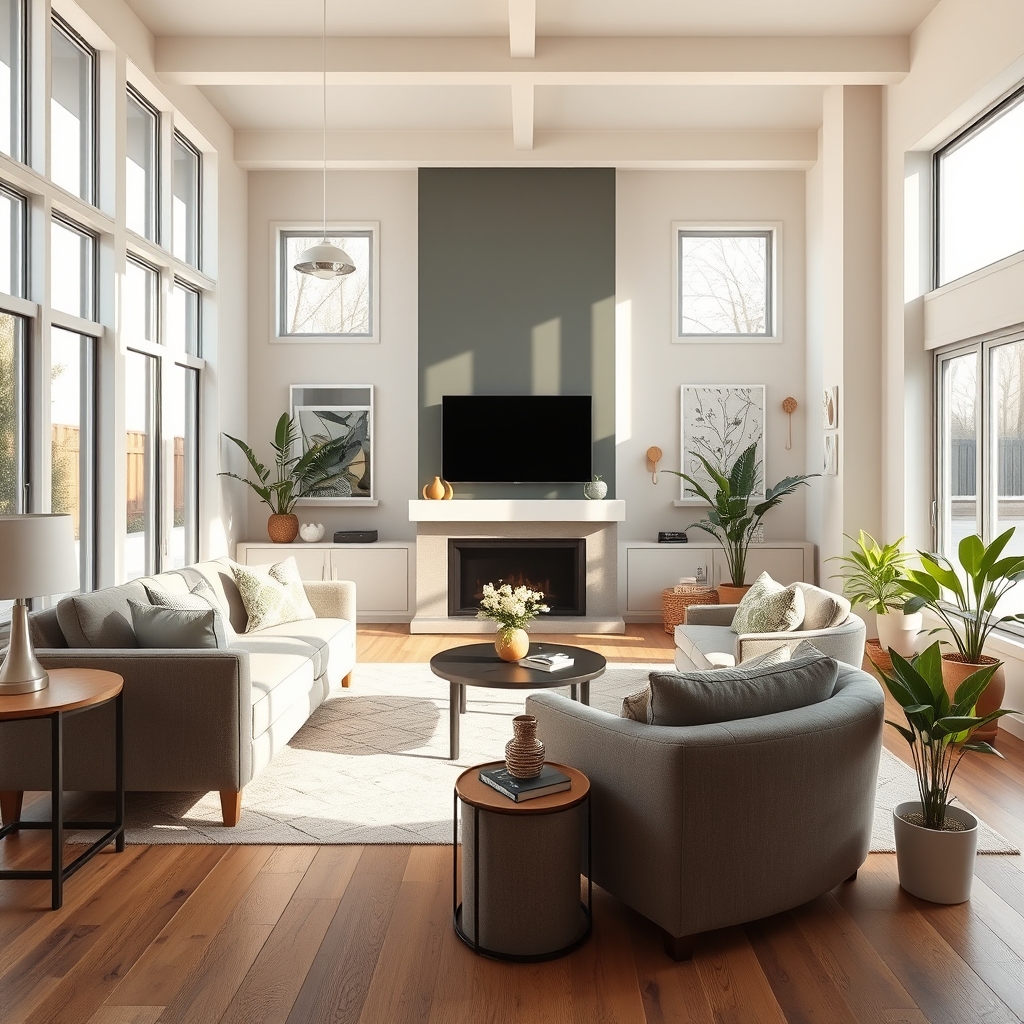
For homeowners in small or medium spaces watching their budgets closely, micro renovations are an opportunity to boost both daily enjoyment and home value without major debt or disruption.
Step-by-step micro renovation guide
To get results from micro renovations, start by prioritizing the right projects based on ROI, ease, and your comfort level. Here’s a step-by-step approach for budget home upgrades that generally work well for apartment owners and DIY-ers:
- Identify pain points and measure your space. Look for the biggest eyesores or functionality gaps: worn countertops, dingy cabinets, dark corners, or old fixtures.
- List possible upgrades (examples below) and estimate materials and basic tools. Use affordable kitchen upgrades with high resale value, like:
- Painting walls and cabinets (interior painting averages $1,000–$1,800, 70–110% ROI)
- Cabinet refacing or repainting ($2,000–$3,500, 80–85% ROI)
- Countertop overlays or butcher-block install ($2,500–$4,000, ~80% ROI)
- Peel-and-stick backsplash ($300–$800, 90–100% ROI)
- New cabinet hardware, faucets ($200–$600, up to 100% ROI)
- LED under-cabinet lighting ($150–$400, can exceed 100% ROI)
- Smart outlet upgrades ($100–$300, over 100% ROI)
- Scope your project: Decide what you can reasonably DIY. For painting or hardware swaps, most people can handle it. For complicated electrical or plumbing, plan to hire out.
- Shop for reputable materials: Focus your spending on visible surfaces and proven brands. Cheap adhesives or non-UL-rated outlets can backfire fast.
- Prep and demo carefully: Protect countertops and floors, turn off relevant power or water, and double-check measurements. Watch for hidden demolition or patching needs.
- Execute in stages: Try one project per week or follow a 30-60-90 day plan (see Conclusion).
- Photograph and document results for future resale value or contractor quoting.
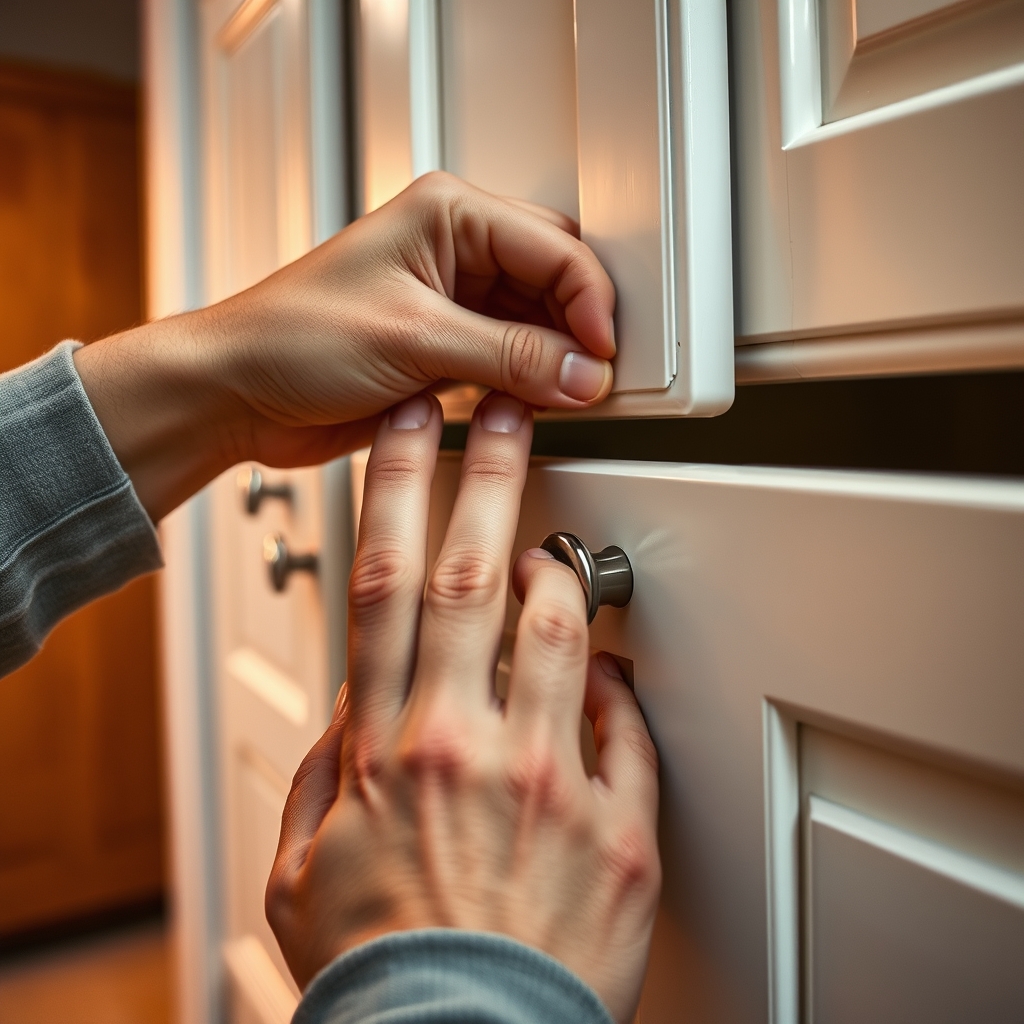
High-impact micro renovation ideas most guides miss:
- Under-cabinet USB power strips for tech-friendly kitchens
- Concrete or epoxy paint kits for countertop overlays
- Slim pull-out pantry made from repurposed shelving units
- Low-cost smart thermostats and faucet aerators for efficiency
- DIY hanging pot racks with salvaged wood for instant storage
Many of these small home renovation ideas are covered less often in mainstream guides but offer big function and style upgrades with low risk. See more research-backed suggestions from specialists in affordable kitchen makeovers.
Advanced analysis & common pitfalls
Even small projects can spiral if you don’t prepare for common pitfalls. Here’s what to watch for when pursuing micro renovations:
| Common Issue | Cause | How to Prevent |
|---|---|---|
| Hidden demolition or labor costs | Sub-floor or wall damage; unforeseen repairs | Add a 10–20% budget buffer and inspect behind surfaces before buying materials |
| Mismatched cabinet or fixture sizes | Failure to double-check width/depth or pipe placement | Verify all measurements—cabinets, appliances, and hardware—prior to purchase |
| Permitting or code delays | Electrical, venting, or plumbing changes may require permits that slow projects | Check local codes and when in doubt, consult a pro or your city’s permit desk |
| Uneven walls or floors | Older homes have settling or old repairs that make tiling/trimming tricky | Use a long level to test every install area and shim as needed |
| Time overruns on DIY | Painting, tiling, and finishing always take longer than expected | Block 125% of estimated time and do messy steps first |
| Neglected disposal and repair costs | Removing old backsplash/demo work produces trash and sometimes drywall repairs | Budget for disposal bags, minor drywall or patch materials |
According to remodeling specialists, most expensive mistakes come from underestimating labor, buying non-matching products, or failing to spot issues behind surfaces before starting.

Be realistic about your skills—especially electrical, plumbing, and complex tile work. Save DIY tasks for painting, peel-and-stick jobs, and cabinet hardware swaps. For anything requiring permits or hidden repairs, get a quote from a licensed pro.
Always plan for disposal costs and rapid cleanup to avoid delays or extra charges. This is especially important for small spaces!
Conclusion: Making micro renovations work for you
Micro renovations offer fast, affordable transformation for kitchens and interiors—with low risk, strong ROI, and lots of flexibility. Start with one or two simple projects, document your costs and progress, and scale up as confidence grows. Remember, the best micro renovations maximize visual impact and daily enjoyment while returning value at resale. Avoid classic pitfalls by measuring, budgeting with a contingency, and focusing on visible updates—then enjoy your refreshed space.
If you’re ready to get started with micro renovations, make a 30-day plan for cosmetic swaps, or level up to more advanced projects over 60–90 days. Always measure twice, budget smart, and don’t hesitate to bring in a professional when needed. Ready to transform your home for less?
Frequently Asked Questions
What are micro renovations and how are they different from full remodels?
Micro renovations are small, targeted upgrades ranging from $500 to $4,000 that focus on visual and functional improvements (like painting, backsplash swaps, or new lighting) instead of tearing out or rebuilding major areas, which saves time, money, and disruption.
Which micro renovation projects offer the best ROI?
Painting walls and cabinets, peel-and-stick backsplashes, cabinet hardware swaps, and LED under-cabinet lighting often return 70–110% on your investment—much higher than many major remodels.
When should I DIY versus hiring a pro for my micro renovation?
DIY is great for cosmetic swaps like painting, hardware, and stick-on products. Hire a pro for anything involving electrical, structural, plumbing, or requiring permits.
How can I avoid costly mistakes or rework in a micro renovation?
Measure everything twice, build in a 10–20% budget buffer for hidden repairs, check local codes, and always protect surfaces during demolition. These steps are proven to prevent expensive surprises.
Where should I buy materials for micro renovations?
Choose reputable hardware stores or online suppliers. Focus on proven brands for peel-and-stick tiles, epoxy kits, and LED lighting, and never buy non-rated electrical components or suspiciously cheap adhesives.
[…] inclusive modular seating system options. For more on accessible layout ideas, check out our micro renovations guide or our actionable color drenching […]
[…] Save even more effort with a robotic lawn mower for your remaining turf patches, or look into micro renovations that boost curb appeal alongside your new […]
[…] For inspiration on micro renovations that pay off big at resale, see the micro renovations value guide. […]