

### Blog Post:
Human grade dog food isn’t a buzzword anymore—it’s fast becoming the benchmark for pet parents who expect the same standards for their dog’s meals as for their own. But not all “human grade” claims are equal, and in a booming $3.2 billion market, most brands don’t tell you what actually matters for safety, quality, and subscription convenience.
Key Takeaways
- The human grade dog food market is rapidly expanding, so distinguishing marketing from real standards is more critical than ever.
- Third party lab testing, validated cold-chain logistics, and single-protein options directly impact your dog’s safety and allergy risk.
- Subscription plans can be convenient—but only when brands demonstrate genuine transparency and offer buyer-friendly policies.
- Why “human grade” actually matters (and what it legally does—and doesn’t)
- Market snapshot: size, growth, and who buys by subscription
- Pricing reality—what you’ll actually pay and why
- Top user complaints and product risks to watch for
- How to evaluate “human-grade” claims—checklist for vetting brands
- Cold-chain, shelf-life, and packaging: why delivery matters as much as the recipe
- The three high-impact things competitors overlook
- Deep dive—1) Transparent third-party lab testing (what to demand)
- Deep dive—2) Sustainable, cold-preserving packaging and logistics
- Deep dive—3) AI + vet-integrated personalized nutrition (how it improves outcomes)
- How to choose the best human-grade option for your dog (step-by-step)
- Buyer’s contract—10 questions to ask before you subscribe
- Quick comparisons—wet vs cooked vs frozen fresh human-grade models
- Closing—practical next steps and call to action
- FAQ
Why “human grade” actually matters (and what it legally does—and doesn’t)
Lots of brands showcase “human grade” on the label, but that doesn’t mean the food truly meets human food standards throughout sourcing, handling, and packaging. Legally, “human grade” for dog food means every ingredient and every process meets FDA and USDA standards for people—not just the base ingredient list. Yet many marketed foods lack third-party proof or USDA facility audits, risking safety, allergies, and trust.
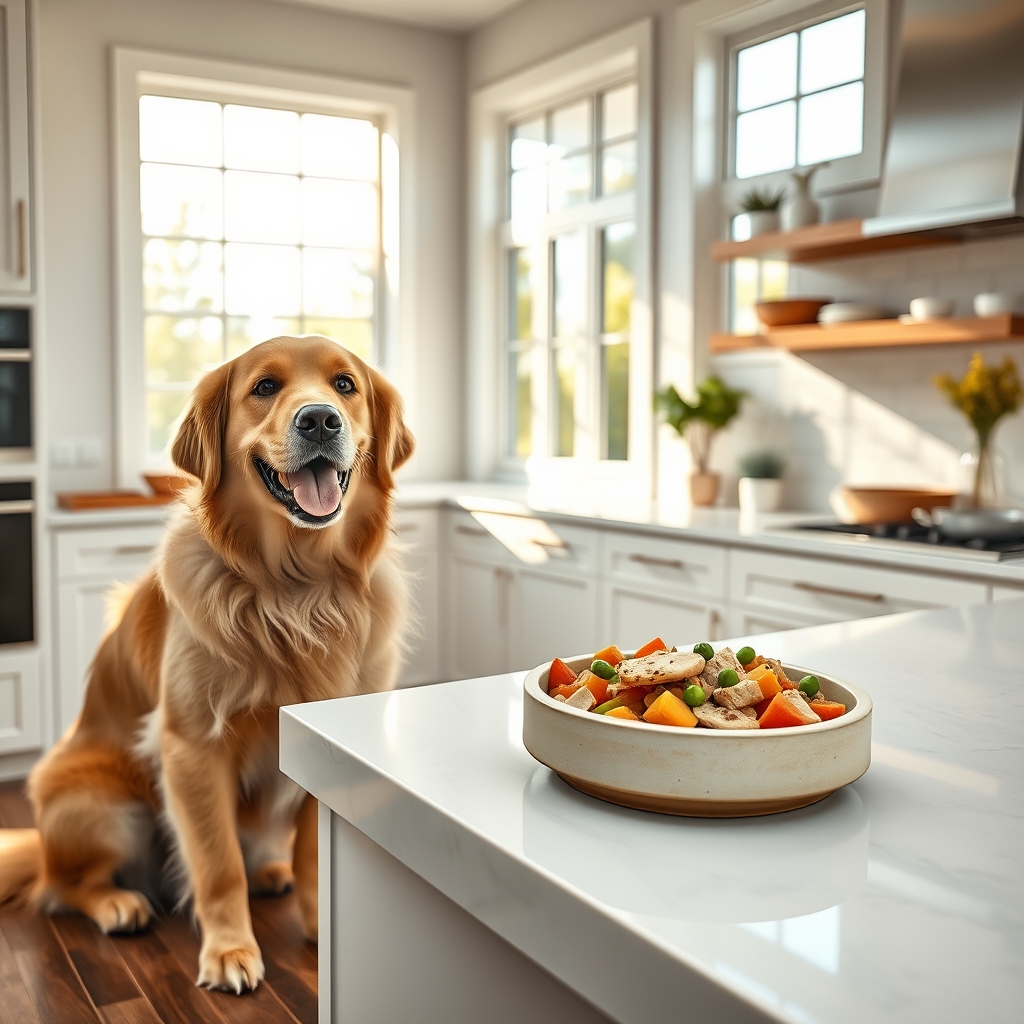
Why does this matter now? The U.S. human grade pet food market was valued at roughly $3.2 billion in 2025 and is projected to reach $7.3 billion by 2035—an 8.7% compound annual growth rate. As more money flows in, consumer scrutiny and demand for real transparency keep pace. If a service can’t provide USDA documentation or up-to-date lab tests, it’s just another marketing play.
For allergy-prone or sensitive puppies like Emma’s, only “USDA human grade” proteins with batch-level lab certification and visible COAs (Certificates of Analysis) truly reduce risk. If the only assurance is AAFCO adequacy or slick branding, steer clear and ask for proof.
For deeper reading on market definitions, see the Grand View Research human-grade pet food report.
Market snapshot: size, growth, and who buys by subscription
Human grade offerings have moved mainstream, especially for fresh and cooked dog meals. The fresh-dog-food segment alone hit about $2.7 billion in 2024, with 8.4% annual growth expected through 2035. Subscription models now account for roughly 35% of all fresh human grade dog food delivery purchases—and that’s rising as urban professionals prioritize convenience.
What does this mean if you’re new to the space? Subscription plans often bring flexible trial sizes, scheduled deliveries, and, sometimes, better pricing for premium single-protein or allergy-specific meals. Still, not all subscriptions are equal. Key features to compare:
- Lab-backed transparency (recent, public third-party tests)
- transit temperature data logs with validated temperature controls
- Traceable sourcing, including single-protein options
- Clear trial, swap, pause, and refund policies

If you’re considering a cooked dog meals subscription, calculate price per meal—not just box price—and factor in shipping costs and the true shelf-life after delivery. Many brands offer wet, cooked, and frozen models, so pick the cadence (weekly, monthly) tightly matched to your storage and your dog’s taste preferences. According to Fresh Dog Food Market analysis, misunderstandings over subscription management and insufficient packaging are still common complaint drivers. Don’t get stuck with a plan you can’t tweak easily!
Pricing reality—what you’ll actually pay and why
Sticker shock is real. Average pricing for human grade dog food subscriptions has risen about 6% year-over-year, now landing at $2–$10 per day or $120–$300 per month—right in the sweet spot for pet parents like Emma with premium priorities. Why such a range? Several factors directly impact cost:
- Premium, single-protein formulas using USDA human grade meats
- Routine batch or third party lab testing for microbial and heavy metals
- Quality of cold-chain packaging (eco insulation, advanced gel packs)
- Option for AI-driven or vet-personalized nutrition adjustments
- Delivery frequency and convenience features
While basic plans may start near $2/day, top-shelf models that include allergy-safe, single-protein, and transparent lab results easily push to $6–$9 per meal. Always compare “price per meal” or “daily feeding cost” by dividing total delivered cost by actual meal count and shelf-life—it’s the only way to align expectations and spot value mismatches.
Tip: Look for brands breaking down true meal cost and post-delivery shelf-life in their FAQs, not just advertising headline pricing. For Emma’s budget and priorities, trialing a 7-day pack of a premium model and monitoring your dog’s tolerance before “buying big” is money smart.
Top user complaints and product risks to watch for
Even top-rated brands aren’t immune to recurring problems. Based on research and review data:
- Flavor monotony (“My dog got bored after two weeks”)—28% of complaints
- Inconsistent or overly gel-like texture—22%
- Temperature breaches during shipping (spoiled or room-temp boxes)—15%
- Perceived price-value mismatch—13%
- Limited single-protein or allergy-sensitive options—12%
Shipping temperature breaches aren’t just an inconvenience; they pose a real health risk, especially for puppies and allergy-prone dogs. The only notable recall in 2024 came when The Farmer’s Dog halted their chicken meals after a Salmonella finding—proof that even top services can slip (learn more).
Texture and flavor monotony especially impact puppies who quickly get bored or hesitant. If switching foods due to poor palatability or a spoiled shipment, expect a 1–2 week adjustment and consult your vet for sensitive transitions.
How to evaluate “human-grade” claims—checklist for vetting brands
Not all human grade dog food brands are worth your trust. Here’s a checklist for smart vetting:
- Ask for USDA human grade and facility documentation—every year, for every recipe
- Insist on public, batch-based third-party test results (COAs), including microbial, heavy metals, and mycotoxins
- Confirm clear AAFCO vs human grade definitions; both should be covered, but “human grade” means more
- Look for routine audits and traceability protocols (ingredient tracking, batch numbers, etc.)
- Evaluate cold-chain logistics with transit temperature validation (not just insulation claims)
- Request full refund and recall response policies upfront
With the market projected to reach $7.3B by 2035—and real Salmonella recalls in 2024—brands with no transparency on lab testing or logistics simply aren’t worth the gamble.
Want concrete cases? See how “ClearBite” and “EcoPaws” lead with visible lab reports and traceability (details below).
Cold-chain, shelf-life, and packaging: why delivery matters as much as the recipe
Food safety doesn’t end at the recipe. Refrigerated and frozen logistics, validated temperature monitoring, and the right packaging are just as crucial. Poor insulation or long transit chains risk spoilage and reduce shelf-life, especially in summer or dense urban areas.
- Refrigerated meals: typical shelf-life 5–7 days after delivery
- Frozen meals: shelf-life 30–45+ days when kept sealed and frozen
- Premium brands now use recyclable or compostable insulated packs and gel blocks to reduce environmental impact and maintain food safety
Always check if a provider uses end-to-end temperature loggers and publishes their cold-chain “validated from packing to doorstep.” If not, buyer beware.
For more on best practices and shelf-life research, check this expert brand comparison.
Practical tip: Store new deliveries in your freezer on arrival and only thaw smaller packs required for 5–7 days of use. If the box isn’t cool on arrival, contact support immediately for a refund or replacement.
The three high-impact things competitors overlook
The fastest-growing human grade dog food brands aren’t just adding new flavors—they’re raising the bar in ways older players often neglect. The three most impactful yet overlooked factors:
- Transparent, public third-party lab testing—not just “lab tested” claims, but public COAs, batch-by-batch proof, and proactive recall procedures, such as “ClearBite” (USDA certified, $5–$7 per meal, weekly microbial panels).
- Sustainable, validated cold-chain packaging and logistics—like “EcoPaws,” which uses fully compostable gel packs, USDA human grade sourcing, and quarterly pathogen audits ($6–$8 per meal).
- AI + vet-integrated personalized nutrition— “Spot & Tango AI” combines algorithmic customization with veterinary review ($7–$9 per meal, batch-level mycotoxin and heavy-metal testing, end-to-end temp-monitored shipping).
Subscription buyers (≈35% of the market) are increasingly seeking these advanced features. Shipping issues still account for 15% of complaints, showing there’s a clear customer demand for stronger logistics and transparent testing protocols. These differentiators move the needle on safety and make premium prices justifiable—especially for allergy-prone dogs and new puppies.
Deep dive—1) Transparent third-party lab testing (what to demand)
Truly human grade dog food isn’t just about human-edible ingredients. It means batch-tested assurance—public third-party results for every recipe, every run, not just when it’s convenient for marketing.
The gold standard, modeled by the 2023-launched “ClearBite,” includes:
- USDA human grade-certified proteins (every batch traceable)
- Third-party lab panels for microbes (Salmonella, Listeria, E. coli), heavy metals, and mycotoxins
- Weekly testing and public posting of COAs (Certificates of Analysis) online
- Price: $5–$7 per meal—premium, but provides direct documentation of food safety
- Shelf-life: 7 days refrigerated, 30 days frozen
- Validated cold-chain from packing to delivery door
Demand to see recent COAs. If it’s not public, ask for a redacted sample. If the company balks or only offers “aggregate” data, you may not be getting real batch assurance.
Why does this matter? Because even “big name” services like The Farmer’s Dog faced 2024 recalls for Salmonella in chicken meals. A brand with real-time COAs and rigorous testing protocols offers safer reliable nutrition especially for puppies starting on human grade wet dog food.
Bottom line: Transparency is your only protection in a growing, competitive market promising more than it often delivers.
Deep dive—2) Sustainable, cold-preserving packaging and logistics
Packaging isn’t an afterthought in premium fresh human grade dog food delivery—it’s integral to food safety and environmental responsibility. The risk: many providers use generic insulation or excess plastic, yet fail to prove packages truly keep food cold end-to-end.
What to look for in the best fresh dog food brands:
- Insulated shippers using recyclable or fully compostable gel packs
- Protection for up to 2 days in transit, even in urban heat spikes
- Transit time validation logs and proof of maintained refrigeration temps
- Practical shelf-life: 5 days refrigerated (EcoPaws), up to 45 days frozen
- Sourcing and pathogen batch testing quarterly, not just annually
“EcoPaws” stands out by combining USDA human grade sourcing, compostable packs, and proactive pathogen testing for $6–$8 per meal. This positions them well for environmentally concerned buyers—without sacrificing quality in logistics.
Why does this matter for you? Urban and multi-unit deliveries often face longer routes on hot days. Poor packaging leads to a significant percentage of shipping complaints (15%) and at least one major recall event last year. Ask brands to disclose their insulation protocols and shipment validation data—those who can’t may not deserve your subscription.
Deep dive—3) AI + vet-integrated personalized nutrition (how it improves outcomes)
The newest wave in human grade dog food is customized feeding plans—built by algorithms, reviewed by veterinarians, and adjusted to every pet’s age, weight, breed, and allergy profile.
“Spot & Tango AI,” launched in 2025, leads this pack by offering:
- USDA human grade meats as the exclusive protein source
- Batch-level heavy metal and mycotoxin testing (each subscription includes a QR code for test results)
- AI-powered adjustments as your pup ages, grows out of puppyhood, or develops new sensitivities
- Vet oversight of all personalization
- End-to-end temperature-monitored logistics, shelf-life: 6 days refrigerated, 40 days frozen
- Pricing: $7–$9 per meal, reflecting premium personalization and test costs
This model reduces food switching, keeps allergy-prone dogs on track, and justifies higher prices since every meal is backed by rigorous safety assurance. It’s ideal for new puppy parents juggling growth, allergies, and uncertainty about formulas.
When evaluating cooked dog meals subscription models, ask whether personalization is only cosmetic (ingredient flavor swaps) or clinically data-driven—and whether all adjustments are reviewed by a real veterinary nutritionist.
How to choose the best human-grade option for your dog (step-by-step)
Ready to make a decision? Here’s a no-nonsense guide:
- Clarify your dog’s age, weight, and medical history (allergy-prone or sensitive).
- Choose format: wet, cooked, or frozen fresh. Puppies and allergy-prone dogs do best with best human grade puppy food that’s single-protein and batch-tested.
- Calculate your true feeding cost ($2–$10/day, typically $120–$300/month) and factor in transition samples or one-week trials.
- Test the brand’s transparency by requesting a COA and USDA facility documentation. Confirm recall policy details.
- Decide preferred subscription cadence: weekly may be fresher but costlier than monthly delivery.
- For texture or taste concerns (seen in 28%/22% of reviews), order a starter mix-pack before a long-term subscription. Transition gradually and track stool/tolerance.
- Consult your vet for recommendations, especially for puppies or dogs prone to digestive issues when changing foods.
This step-wise approach drastically cuts anxiety and expense—and minimizes the risk of buyer’s remorse if you discover a brand falls short on safety or palatability.
Buyer’s contract—10 questions to ask before you subscribe
Never subscribe without answers to these critical questions:
- Can you show up-to-date USDA human grade certification for all recipes?
- Where are all proteins sourced—country of origin and supplier?
- Can I see batch-specific COAs for microbial, heavy metal, and mycotoxin testing?
- How do you validate cold-chain temperature integrity on every delivery?
- What happens if my shipment arrives warm or spoiled—will you refund without hassle?
- What is your process and communication plan for recalls?
- Are single-protein (allergy-safe) options regularly stocked?
- How are formulas updated for allergies or changing life stages?
- Can I pause, delay, or swap my cooked dog meals subscription without penalty?
- Will you provide recent customer reviews that address shipping and product quality complaints?
Tie your questions to the company’s record. With 35% of buyers on subscription and 15% of complaints about temperature breaches, it’s your right to demand answers before you commit.
Quick comparisons—wet vs cooked vs frozen fresh human-grade models
| Model | Shelf-life | Price/Meal | Best For | Key Downside |
|---|---|---|---|---|
| Wet (Fully Cooked) | 5–7 days refrigerated | $2–$7 | All-ages, variety seekers | Texture monotony, short shelf-life |
| Fresh Cooked (Chilled/Frozen) | 7 days in fridge 30–45+ days frozen |
$5–$9 | Puppies, allergies, sensitive digestion | Requires freezer space, higher cost |
| Subscription Frozen | 45+ days frozen unopened | $7–$10 (premium AI/vet-led) | Allergy-prone, personalization fanatics | Cost, longer transition adjustment |
In short: frozen and AI-personalized plans cost more, but offer longer shelf-life and greater dietary control—worth it for allergy-prone pups or picky eaters. Wet and cooked are more affordable, but you’ll need to manage texture/taste monotony and shorter storage.

Closing—practical next steps and call to action
The playbook is simple: start with a trial week from a reputable, batch-tested human grade dog food provider. Request COAs and USDA documentation before checkout. On delivery, check temperature and shelf-life, and have a backup plan if your pup rejects a protein or texture. Review subscription management features—pause, swap, delay—before committing to recurring payments.
With about 35% of purchases now subscription-based and monthly pricing averaging $120–$300, choose brands where transparency is standard, cold-chain logistics are proven, and lab tests are public. Your dog’s safety and your peace of mind are worth the extra few minutes of research.
Ready to upgrade your feeding plan? Start by ordering a trial box, request the latest batch COA from support, and ask about temperature validation. Future you—and your puppy—will thank you for skipping the marketing spin and demanding real safety and nutrition. Your next best decision starts with informed action—don’t settle for less than true human grade dog food.
FAQ
What does “human grade” dog food actually mean?
Legally, it means every ingredient and the entire manufacturing process meet all human food safety and handling standards, not just some of the ingredients. Look for USDA human grade documentation and third-party batch test results.
How much does fresh human grade dog food delivery cost on average?
Expect to pay $2–$10 per day or about $120–$300 per month for an average medium-sized dog, with prices rising for single-protein or personalized subscriptions. Premium models cost more due to frequent lab testing and better cold-chain logistics.
Are subscriptions safe? What happens if my order arrives warm?
Subscriptions are safe when brands have validated cold-chain protocols and transparent refund policies. If delivery arrives above fridge temperature, contact support immediately—premium providers will refund or replace, no questions asked.
Do I need to transition slowly from traditional kibble to human grade wet dog food?
Yes, always transition over 5–7 days by mixing increasing amounts of the new food into the old. Watch for digestive changes and consult your vet if your dog is very young, elderly, or allergy-prone.
How can I verify a provider’s “human grade” claim?
Request USDA facility documentation and batch-level COAs for the exact food you’re ordering. Brands following true human grade protocols are ready to share inspection and lab reports as part of their standard process.
—