

Freeze dried raw dog food is rapidly changing how health-conscious pet parents feed dogs with sensitive stomachs. If your dog struggles with mild digestive upsets, this guide will give you clear comparisons, step-by-step transition help, and the evidence you need to decide—without spending blindly or risking safety.
Key Takeaways
- Freeze dried raw dog food preserves nutrients and improves convenience, but carries premium pricing and safety considerations—especially for dogs with sensitive stomachs.
- Cost per meal, exact rehydration ratios, and air dried versus freeze dried comparisons are essential and often missing when evaluating options.
- Transitioning requires patience, vet guidance, and close stool monitoring—start with single-protein or limited ingredient toppers before fully switching diets.
- Market snapshot — why freeze dried raw matters now
- Who makes the products and where people buy them
- Why owners choose freeze dried raw
- Top consumer and veterinary complaints to watch for
- The three things competitors usually miss
- Practical buying checklist
- How to transition a sensitive dog
- Quick cost examples and comparison table
- Safety, testing, and recalls—how to verify brand quality
- Shortlist recommendations and sample testing
- Conclusion & next steps
- FAQ
Market snapshot — why freeze dried raw matters now
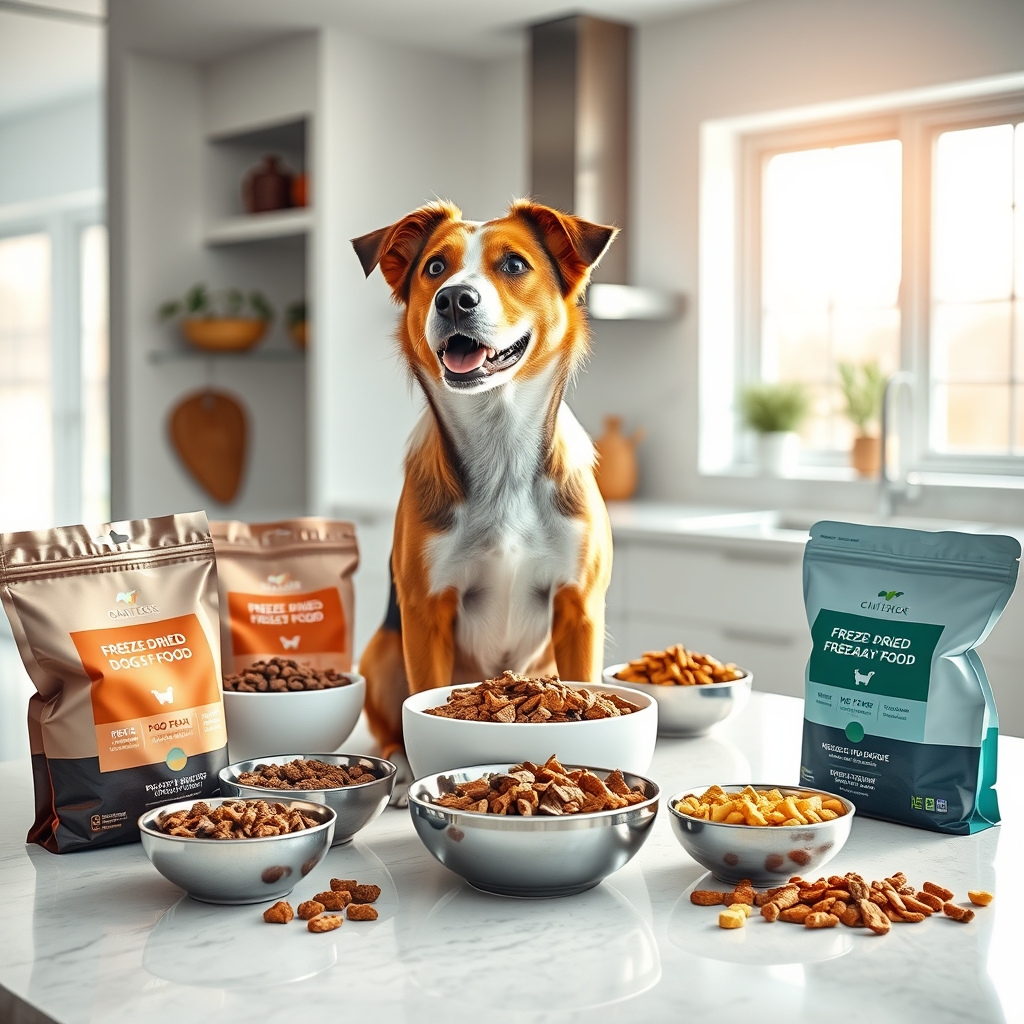
The freeze dried raw dog food marketplace is booming. From 2023 to 2024, global sales topped $19 billion and are on track for $31 billion by 2035. Around 60% of sales come from the US—roughly $11–$12 billion. That’s about a 5–6% annual growth rate, more than the overall dog food market, which is growing at 4.4% yearly [1].
This surge means more brands and formulations hit shelves, but also leads to price pressure and confusion for pet owners—especially those caring for dogs with sensitive stomachs. Market expansion attracts both innovative specialists and copycats, making careful comparison even more essential now.
Who makes the products and where people buy them
Top brands in freeze dried raw dog food include Stella & Chewy’s, Primal, Instinct, Nature’s Variety, and The Honest Kitchen. Each holds around 5–7% of market share; together, they account for about 30% of the total category [2].
You’ll find most freeze dried raw products (about 65% of US sales) at brick-and-mortar specialty pet stores and vet clinics, while 35% comes from online direct-to-consumer. Buying in-store can help with return policies and checking batch freshness; online offers wider variety and subscription discounts.
Why owners choose freeze dried raw
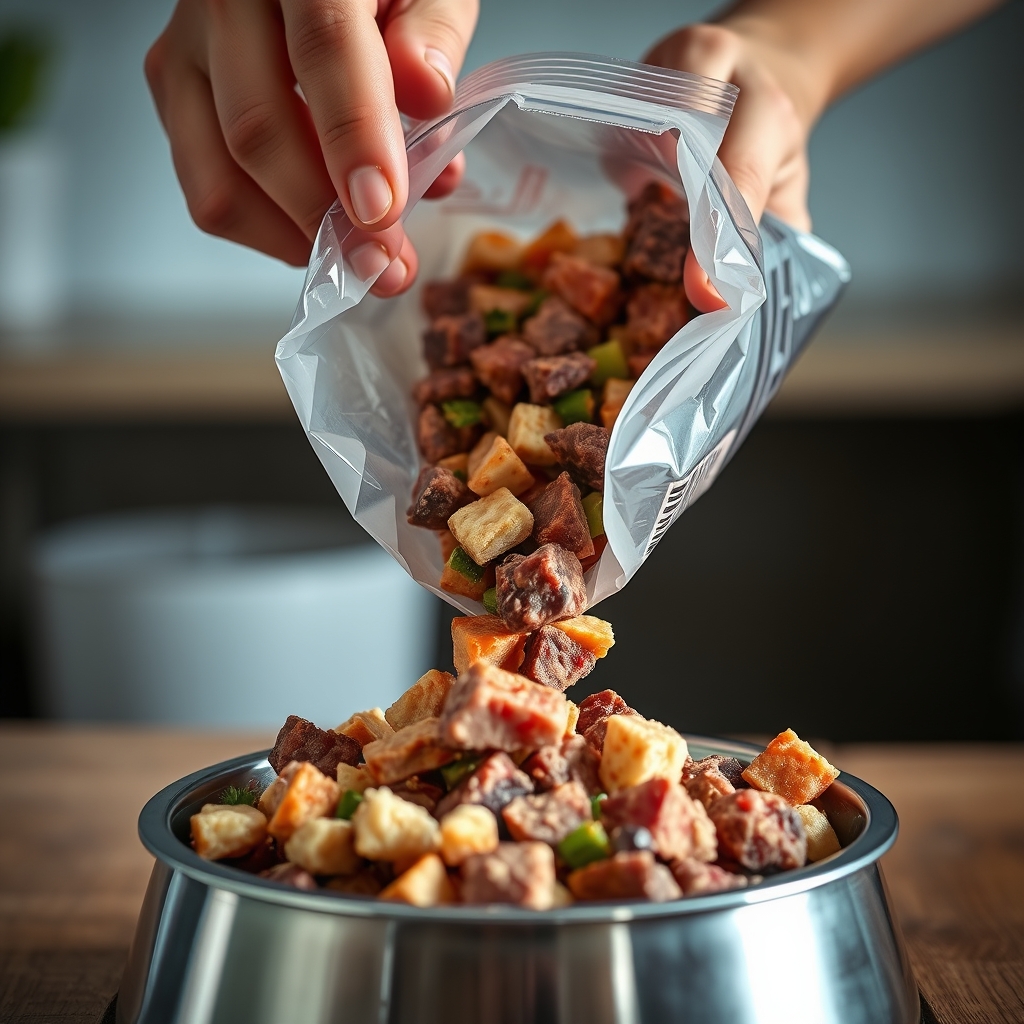
Owners reach for freeze dried raw dog food because it retains more heat-sensitive vitamins and amino acids compared to baked kibble. It’s lightweight, shelf-stable, and avoids the freezer clutter of traditional raw. Ideal situations for freeze dried include travel, limited refrigeration, and using it as a high-value topper for picky eaters [6].
Many use freeze dried raw dog food as “raw dog food toppers” to boost regular kibble’s nutrition, rather than a full diet. This method often balances cost, convenience, and nutritional upgrade—especially when introducing sensitive dogs to a new format.
Top consumer and veterinary complaints to watch for (sensitive stomach focus)
Thinking about the best freeze dried dog food for sensitive stomachs? Here’s what most owners and vets actually complain about:
- Premium price: At $30/kg (~$13–$14/lb), freeze dried is among the most expensive formats [4].
- Digestive upsets: Gas, loose stools, or vomiting are frequently reported—especially when foods have mixed proteins, coarse bone fragments, or transition is rushed.
- Pathogen recalls: Cases of Listeria and other bacteria show that even freeze dried raw puppy food is not 100% free of pathogens [5].
- Rehydration mistakes: Not using enough water (or not soaking long enough) often causes GI issues in sensitive dogs.
- Ingredient overload: Too many proteins or plant inclusions sometimes make things worse for GI-sensitive dogs.
The three things competitors usually miss
A. Cost-per-meal worked example vs kibble and fresh
Many pet owners are shocked by the real meal cost differences. Here’s a transparent comparison using $30/kg benchmark:
| Format | Avg Price/kg | Daily Portion (20kg/44lb dog) | Cost/Meal |
|---|---|---|---|
| Freeze dried raw dog food | $30 | 225g (pre-rehydration, ~500kcal) | $6.75 |
| Kibble (super-premium) | $7 | 350g (~500kcal) | $2.45 |
| Fresh delivered | $12 | 500g (already hydrated, ~500kcal) | $6.00 |
| Freeze dried as topper (20% of meal) | $30 + kibble | 45g FD + 280g kibble | $1.35 (FD) + $1.96 (kibble) = $3.31 |
Switching fully is pricey, but using freeze dried as a topper dramatically reduces daily cost while still upgrading your dog’s meal quality.
B. Exact rehydration specs—water:food ratios, soak time, weight gain
Most brands recommend roughly a 2:1 or 3:1 water to freeze dried ratio by weight. For every 50g of freeze dried, add 100–150g water. Soak 5–10 minutes, stirring once halfway through. Expect volume to roughly triple, and food weight to more than double.
Nutrient retention after rehydration: Micro-nutrients remain high if water is room temperature and not boiling. Some vitamins can leach into the water, so always serve the soaked mixture—never drain excess.
Practical example: 60g freeze dried pellet + 180g warm water = 240g ready-to-eat.
C. Air dried vs freeze dried dog food
Freeze dried and air dried dog foods both offer shelf-stable, minimally processed nutrition, but key differences matter—especially for sensitive dogs.
| Feature | Freeze dried | Air dried |
|---|---|---|
| Texture | Drier, crunchy (needs soaking) | Chewy, semi-moist (feed as-is or rehydrate lightly) |
| Nutrient retention | Excellent (cold vacuum removes water) | Very good (gentle heat, some loss of sensitive vitamins) |
| Shelf-life (unopened) | 18–24 months | 12–18 months |
| Digestibility | High if rehydrated fully | Often easier for moderate sensitivities |
| Pathogen risk | Low (not zero) | Low (slightly higher: gentle heating only) |
Takeaway: For highly sensitive GI dogs, freeze dried is best when thoroughly rehydrated. Air dried can be an alternate if freeze dried proves too rich.
Practical buying checklist (labels, vet advice, ingredients, price)
- Single protein or limited ingredient: Start with formulas built for sensitivities; avoid “mixed grill” or multi-meat blends.
- Grain free freeze dried dog food: If your vet recommends grain free, confirm it’s AAFCO complete and targets sensitivity.
- Probiotics/enzyme inclusion: Look for brands stating live probiotics on the label.
- Sourcing and batch testing: Top companies publicly share pathogen and nutrient test data—ask or look online for COAs.
- AAFCO label or “feeding trial” claim: The package should say “AAFCO complete” or “verified by feeding trial.”
- Price per kg and per-meal math: Use the $30/kg ($13–$14/lb) average as a budget baseline.
- Returns/sample policy: Some retailers offer trial packs or refunds for GI upset—double-check before buying in bulk.
How to transition a sensitive dog (protocol and red flags)
Give your dog’s GI tract time to adapt. Here’s a practical, safe plan:
- Day 1–3: Add 10% freeze dried (fully rehydrated) to current diet as a topper. Observe stool and appetite.
- Day 4–7: Increase to 25% freeze dried. Still monitor for gas, soft stools, or vomiting.
- Day 8–12: If no issues, move to 50% split. Make only one change at a time (do not add new treats).
- Day 13–21: Progress to 100% freeze dried only if tolerated at every step.
- If loose stools, vomiting, or lethargy appear: Pause, return to previous step, consult vet.
- For puppies or immunocompromised dogs: Be extra cautious—use only freeze dried raw puppy food approved by your vet.
- Consider probiotic supplements as recommended by a vet to aid transition.
- Remember: Freeze drying does not eliminate all pathogens. Watch for symptoms and check for recent recalls.
Quick cost examples and meal comparison
Freeze dried raw dog food is a premium segment, with an average price of $30/kg. Here are real per-meal comparisons using typical serving sizes:
| Dog Size | Type | Daily Amount | Daily Cost |
|---|---|---|---|
| Small (7kg/15lb) | Freeze dried raw | 65g | $1.95 |
| Medium (16kg/35lb) | Freeze dried raw | 145g | $4.35 |
| Large (32kg/70lb) | Freeze dried raw | 265g | $7.95 |
| Medium (16kg/35lb) | Kibble (premium) | 300g | $2.10 |
| Small (7kg/15lb) | Freeze dried as topper (20%) | 13g FD + 52g kibble | $0.39 (FD) + $0.36 (kibble) = $0.75 |
Using freeze dried raw dog food as a topper with kibble can cut costs by nearly 70% versus feeding exclusively freeze dried.
Safety, testing, and recalls—how to verify brand quality
While market leaders invest in safety, freeze dried raw dog food is not risk-free. Pathogen incidents—especially with Listeria—do happen. Freeze drying preserves nutrients but does not eliminate all bacteria.
- Batch/lab testing: Seek brands that post third-party lab results or Certificates of Analysis (COA) online.
- Packaging/cold chain: Avoid damaged packaging; always check “best by” dates.
- Recall history: Research brands’ recall history at Consumer Reports or FDA sites.
- Vet Approval: Discuss frequent recalls or your chosen brand with your veterinarian before switching.
Remember: For puppies, elderly, or immunocompromised dogs, pathogen risk is higher. Always rehydrate thoroughly and observe for any GI changes.
Shortlist recommendations and how to evaluate samples
Given that top brands like Stella & Chewy’s, Primal, and The Honest Kitchen together make up about 30% of the market, start with their sensitive-stomach or single-protein options. For grain free freeze dried dog food, confirm these are AAFCO-complete and batch-tested.
- Start as a topper: Introduce new formulas in small amounts mixed with familiar food.
- Assess success in 7–21 days: Steady stools, minimal gas, good appetite, and improved coat are good signs.
- If problems arise: Try a different protein, ingredient set, or switch to air dried or a home-cooked veterinarian-guided diet.
- Store samples correctly: Reseal packages and store in cool, dry place—never above a humid area.
Conclusion & next steps for Emma (and you)
Freeze dried raw dog food is nutrient-rich, shelf-stable, and a promising choice for digestive-sensitive dogs—if you pick wisely, control costs, and transition carefully. Here’s what to do next:
- Use the cost and transition tables above to budget and set expectations.
- Pick one or two single-protein, batch-tested sensitive-stomach trial products.
- Start slow with toppers. Monitor your dog’s stool and appetite closely for two weeks.
- Consult your vet at any sign of trouble—or before major changes, especially for puppies or immune-compromised pets.
- If freeze dried raw dog food fails to improve GI health, consider air dried versus freeze dried dog food or nutritionally balanced home-prepared meals under veterinary supervision.
The premium raw segment is expanding fast and shows no sign of slowing (source). Now is the right time to compare, try samples, and give your dog’s gut the best possible chance—with your wallet and vet’s approval in mind.
FAQ
Is freeze dried raw dog food safe for all dogs?
No. While most healthy dogs tolerate it well when transitioned slowly, freeze dried does not remove all pathogens. Puppies, elderly, and immune-compromised dogs are at higher risk. Always consult your vet before switching fully.
How do I calculate the real cost per meal compared to kibble?
Take the bag price and divide by total grams. Multiply by your dog’s daily recommended intake (see package chart). Compare this to high-end kibble and consider using freeze dried as a topper to cut costs by 50-70%.
What happens if I don’t rehydrate the food properly?
Feeding freeze dried raw dog food dry can cause digestive problems, choking, or GI disturbances—especially in sensitive dogs. Always add at least twice as much room-temperature water by weight and soak for 5–10 minutes.
Why do some sensitive formulas still upset my dog’s gut?
Many so-called sensitive-stomach formulas still use multiple proteins or high bone content. Dogs may react to novel ingredients or rapid changes. Always transition gradually and try single-protein or limited-ingredient options first.
Where can I find recall information or lab test results?
Check the FDA’s pet food recall list or sites like Consumer Reports. Top brands publish Certificates of Analysis (COA) online or upon request.